Ecommerce Digital Marketing: A Simple, Result-Oriented Guide for E-commerce Brands
If you run an online store, you already know one hard truth: having a great product is not enough. People need to find your store before they can buy from you. That is where ecommerce digital marketing becomes essential.
Ecommerce digital marketing is the process of using online channels to attract the right visitors to your store, convert them into paying customers, and keep them coming back. It includes SEO, content marketing, email marketing, social media, paid ads, conversion optimization, and customer retention strategies.
This guide explains everything in simple terms so e-commerce businesses can understand how to build a strong digital marketing system from start to finish.
What Is Ecommerce Digital Marketing?
Ecommerce digital marketing is the full set of online methods used to promote an e-commerce store and increase sales. Instead of relying only on word of mouth or offline marketing, you use search engines, websites, email, social media, and digital ads to reach your ideal customers.
For an e-commerce business, this usually means:
Getting your product pages to rank on Google
Driving targeted traffic to your website
Turning visitors into buyers
Recovering abandoned carts
Building repeat customers and long-term loyalty
The goal is not just traffic. The goal is qualified traffic that converts.
Why Ecommerce Digital Marketing Matters?
Many online stores fail because they focus only on products and ignore visibility. You may have excellent pricing, strong product quality, and a great website design, but if nobody sees your store, sales will stay low.
A good ecommerce digital marketing strategy helps you:
Increase brand visibility
Reach customers who are already searching for your products
Build trust with your audience
Reduce dependence on one traffic source
Generate more consistent leads and sales
Improve customer retention and lifetime value
In simple words, it helps turn your store into a business that grows steadily instead of relying on random sales.
Start with Clear Business Goals
Before doing any marketing, define what success looks like. Many e-commerce brands start running ads or posting on social media without knowing what exactly they want to achieve.
Your goals may include:
Increasing website traffic
Ranking on the first page of Google
Getting more product page visits
Improving conversion rate
Growing email subscribers
Reducing cart abandonment
Increasing repeat purchases
When your goals are clear, your marketing becomes more focused. For example, if your main problem is low traffic, SEO and content may be the priority. If traffic is already high but sales are low, conversion optimization may be the bigger need.
Know Your Ideal Customer
One of the biggest mistakes in ecommerce digital marketing is trying to market to everyone. The more clearly you understand your ideal customer, the easier it becomes to create content, ads, and offers that work.
Ask questions like:
Who is buying this product?
What problem does it solve?
What age group are they in?
What do they search on Google?
What makes them hesitate before buying?
What platforms do they use most?
For example, if you sell skincare products, your customer may care about ingredients, reviews, before-and-after results, and trust signals. If you sell tech accessories, they may care more about compatibility, speed, durability, and price.
When you know the buyer, your message becomes stronger.
Build a Website That Is Ready to Convert
Before driving traffic, make sure your website is ready. Marketing can bring people to your store, but your site must convince them to stay and buy.
A high-converting e-commerce website should have:
1. Clear navigation
Customers should quickly find product categories, filters, best sellers, and support information.
2. Fast loading speed
Slow websites increase bounce rate and hurt both user experience and SEO.
3. Mobile-friendly design
A large share of e-commerce traffic comes from mobile devices. Your store must work smoothly on phones.
4. High-quality product pages
Every product page should include strong images, useful descriptions, pricing, reviews, FAQs, and a clear call to action.
5. Trust signals
Show contact information, return policy, shipping details, secure checkout badges, and genuine customer reviews.
Without these basics, even the best ecommerce digital marketing campaigns will struggle.
Use SEO to Get Free Long-Term Traffic
Search engine optimization is one of the most important parts of ecommerce digital marketing. SEO helps your store appear in Google when customers search for products, categories, or questions related to what you sell.
Unlike paid ads, SEO can keep bringing traffic over time without paying for every click.
Focus on keyword research
Find out what your target customers are searching for. These may include:
Product keywords
Category keywords
Comparison keywords
Problem-solving keywords
Informational keywords
For example, instead of targeting only “running shoes,” you may also target terms like “best running shoes for flat feet” or “lightweight running shoes for women.”
Optimize key pages
Make sure your homepage, category pages, product pages, and blog posts include relevant keywords naturally in:
Page title
Meta description
Headings
URL
Product descriptions
Image alt text
Improve technical SEO
Your site should be crawlable, mobile-friendly, secure, and fast. Broken links, duplicate pages, and poor structure can hurt rankings.
Create supporting content
Blogs, buying guides, comparison pages, and FAQs help your store rank for more searches and build topical authority.
SEO takes time, but it is one of the best long-term growth channels for e-commerce.
At Full Traffic, we specialise in Google+LLM SEO services where we will rank your business on top of Google and LLMs like ChatGPT and Gemini AI. Hit the button below to know more.
Create Helpful Content That Builds Trust
Content marketing is not just for big brands. It is one of the most practical ways to support ecommerce digital marketing because it helps attract visitors at different stages of the buying journey.
People often search before they purchase. They compare options, ask questions, and look for advice. Good content helps you show up at that stage.
Useful content ideas include:
Buying guides
Product comparisons
“How to choose” articles
Tutorials
Gift guides
Trend roundups
FAQ posts
Care or maintenance tips
For example, if you sell kitchen products, you can create content like “How to choose the right non-stick pan” or “Best kitchen tools for small apartments.”
Helpful content brings traffic and builds confidence in your brand before the customer reaches the product page.
Use Social Media to Build Awareness and Engagement
Social media is a strong supporting channel in ecommerce digital marketing. It may not always convert immediately, but it helps people discover your brand, interact with your content, and stay connected.
Choose platforms based on your audience:
Instagram for visual products
Facebook for community and retargeting
TikTok for reach and short-form product content
Pinterest for inspiration-led shopping
YouTube for tutorials, reviews, and demonstrations
Your social content should not be only promotional. A healthy mix includes:
People buy more easily from brands they recognize and trust. Social media helps create that familiarity.
Run Paid Ads for Faster Results
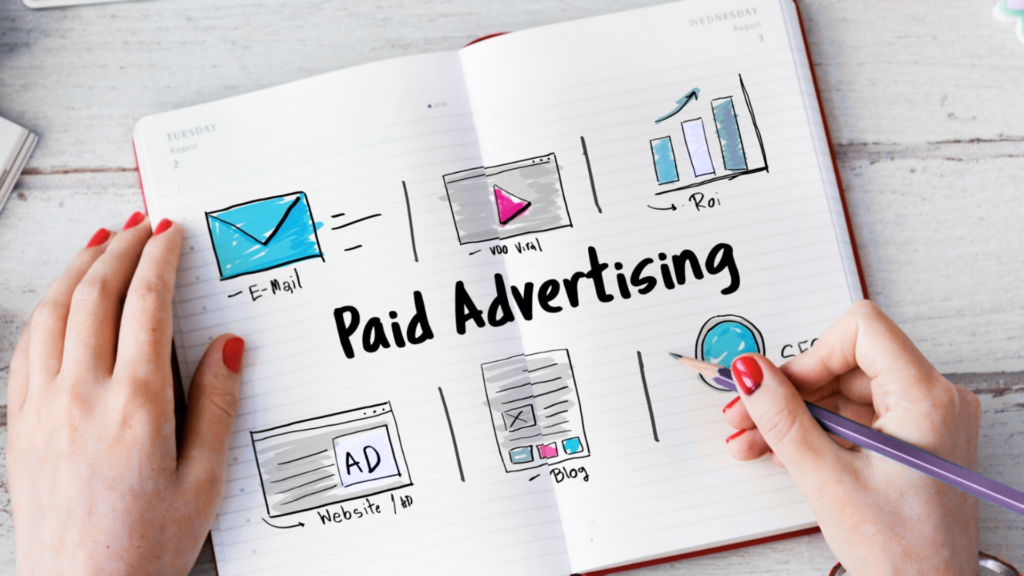
SEO is powerful, but it takes time. Paid advertising can bring faster visibility, especially for new stores. It is a key part of ecommerce digital marketing when you want immediate traffic and testing opportunities.
Common paid ad channels include:
Google Search Ads
Google Shopping Ads
Meta Ads
Instagram Ads
Retargeting Ads
YouTube Ads
Paid ads work best when they are targeted well. Do not promote everything to everyone. Focus on:
Start small, track results carefully, and improve based on data. Paid ads can scale well, but only if you watch cost per click, conversion rate, and return on ad spend.
Email Marketing Is Still One of the Best Channels
Many store owners ignore email, but it remains one of the highest-return parts of ecommerce digital marketing.
Why? Because email lets you speak directly to people who already know your brand.
Use email for:
A simple cart recovery email series alone can recover lost sales. A welcome series can turn new subscribers into first-time buyers. Repeat purchase emails can increase lifetime value.
Your email list is an owned asset. Unlike social platforms, you are not depending on changing algorithms to reach your audience.
Optimize for Conversions, Not Just Traffic
A lot of businesses think marketing success means more visitors. But in e-commerce, traffic without conversions is wasted opportunity.
Conversion rate optimization means improving your site so more visitors take action.
You can improve conversions by:
Writing clearer product descriptions
Using better product images
Showing reviews prominently
Simplifying checkout
Reducing extra steps
Offering multiple payment options
Being transparent about shipping costs
Using stronger call-to-action buttons
Even small changes can make a big difference. For example, if your conversion rate increases from 1% to 2%, you have effectively doubled sales from the same traffic.
That is why ecommerce digital marketing should always include both traffic generation and conversion improvement.
Retarget Visitors Who Did Not Buy
Most visitors do not buy on their first visit. That does not mean they are not interested. They may be comparing, waiting, or simply distracted.
Retargeting helps bring those users back through ads or email.
You can retarget:
Retargeting usually performs well because the audience is already warm. They know your brand. Often, they just need a reminder, a review, a benefit, or a limited-time offer.
Focus on Customer Retention
New customer acquisition is important, but repeat customers are often more profitable. Strong ecommerce digital marketing does not stop after the first sale.
Ways to improve retention include:
Post-purchase follow-up emails
Loyalty programs
Referral incentives
Personalized offers
Excellent customer service
Refill reminders
Useful after-sales content
A satisfied customer can buy again, recommend others, and leave positive reviews. That is why long-term growth comes not only from getting traffic, but from building relationships.
Track the Right Metrics
You cannot improve what you do not measure. Data helps you understand what is working and what needs attention.
Important e-commerce marketing metrics include:
Do not get distracted by vanity metrics alone. More followers or more impressions are not enough if they do not lead to business results.
Track performance monthly and make decisions based on real numbers.
Common Mistakes to Avoid
Many e-commerce businesses waste time and budget because they repeat the same avoidable mistakes.
Some common ones are:
Trying every platform at once
It is better to do a few channels well than do everything poorly.
Ignoring SEO
Some brands rely only on ads and miss the long-term value of organic traffic.
Weak product pages
Poor descriptions, unclear images, and missing trust signals reduce sales.
No email strategy
This leaves money on the table, especially from abandoned carts and repeat buyers.
Focusing only on traffic
Traffic matters, but conversion and retention matter just as much.
Not reviewing data
Without analysis, you keep guessing instead of improving.
A Simple Ecommerce Digital Marketing Roadmap
If you are just starting, follow this order:
Step 1: Fix the website
Make sure your store is fast, clear, mobile-friendly, and trustworthy.
Step 2: Do keyword research
Find what your ideal customers are searching for.
Step 3: Optimize core pages
Improve homepage, category pages, product pages, and metadata.
Step 4: Start content marketing
Publish helpful blogs and buying guides that support SEO.
Step 5: Build social presence
Use the platforms where your audience spends time.
Step 6: Set up email flows
Start with welcome emails, cart recovery, and post-purchase emails.
Step 7: Run paid ads carefully
Promote proven products and test different audiences.
Step 8: Track and improve
Review analytics and optimize monthly.
This approach is simple, practical, and easier to manage for growing e-commerce brands.
Final Thoughts
Ecommerce digital marketing is not one single tactic. It is a system. The strongest e-commerce brands combine SEO, content, social media, email, paid ads, and conversion optimization into one connected strategy.
You do not need to do everything at once. Start with the basics. Make your website conversion-ready. Understand your audience. Improve your visibility on Google. Build trust through content. Use email to recover and retain customers. Then measure, refine, and grow.
The businesses that win online are not always the biggest. Often, they are the ones with the clearest strategy and the most consistent execution.
If your goal is to help e-commerce businesses reach the first page of Google, increase visibility, and get more leads, then a strong ecommerce digital marketing strategy is exactly what makes that growth possible.