👋
Blog Post
A Result-Oriented Guide to Digital Marketing for Hospitals: A Roadmap for High-Quality Leads
Share

A Result-Oriented Guide to Digital Marketing for Hospitals: A Roadmap for High-Quality Leads
In today’s fast-paced world, hospitals need to establish a strong online presence to attract patients. Digital marketing for hospitals has emerged as the most effective tool for reaching new patients and engaging with existing ones. In this guide, we’ll walk you through a roadmap to harness the power of digital marketing and generate high-quality leads for your hospital.
What Is Digital Marketing for Hospitals?
Digital marketing for hospitals refers to the use of online platforms and strategies to promote healthcare services and attract potential patients. It involves leveraging websites, social media, search engines, email campaigns, and other digital tools to build a hospital’s brand and connect with individuals seeking healthcare services.
Hospitals that utilize digital marketing can:
Increase brand visibility
Build trust with patients
Drive high-quality leads
Enhance patient engagement and satisfaction
Improve patient retention and loyalty
Why Is Digital Marketing Important for Hospitals?

The digital age has transformed how people seek healthcare. Instead of relying on word of mouth or traditional advertising, patients now turn to Google and social media to find doctors, read reviews, and research hospitals. If your hospital isn’t visible online, you’re missing out on potential leads.
Here are some key reasons why digital marketing is essential for hospitals:
Patients Are Online: More than 80% of people search for health information online before booking an appointment. Your hospital needs to be discoverable where patients are looking—on Google, Facebook, and Instagram.
Targeted Advertising: Digital marketing allows hospitals to target specific patient demographics, such as age, location, and health conditions, ensuring that your marketing efforts are reaching the right audience.
Build Trust: Patients are more likely to trust hospitals with positive reviews and informative content. Digital marketing helps build credibility and trust by showcasing your hospital’s expertise and patient success stories.
A Step-by-Step Roadmap to Generating High-Quality Leads
Let’s dive into the strategies that hospitals can implement to generate high-quality leads through digital marketing. These steps are easy to understand and implement, even for beginners.
Step 1: Create a User-Friendly, Informative Website

Your website is the foundation of your digital marketing efforts. It’s often the first point of contact for potential patients. Ensure your website is:
Mobile-Friendly: Many patients search for healthcare providers on their phones. Make sure your website is responsive and easy to navigate on all devices.
SEO-Optimized: Search Engine Optimization (SEO) ensures your website ranks high on search engines like Google when patients search for healthcare services. Focus on local SEO by including location-based keywords like “best hospital in [your city].”
Patient-Centered Content: Provide valuable information about your hospital’s services, specialties, and patient testimonials. Add a blog section where you can post articles about common health issues, treatment options, and preventive care. This positions your hospital as an authority in the field and provides patients with helpful, actionable content.
Clear Call-to-Action (CTA): Make it easy for visitors to take the next step. Include clear CTAs like “Book an Appointment,” “Contact Us,” or “Get a Free Consultation” on every page.
Step 2: Leverage Social Media Platforms

Social media is a powerful tool to build a community, engage with patients, and create brand awareness. Focus on platforms where your target audience spends the most time. For hospitals, these typically include:
Facebook: Ideal for sharing news, patient stories, health tips, and announcements. Facebook Ads can help you target potential patients based on demographics and interests.
Instagram: Perfect for showcasing visual content like behind-the-scenes footage, hospital tours, staff introductions, and health tips. Use Instagram Stories and Reels for quick engagement.
LinkedIn: Use LinkedIn to establish your hospital as an industry leader by sharing thought leadership articles, news, and case studies.
Twitter: Use Twitter to engage in real-time conversations about health trends, breaking news, and community events.
Tips for Effective Social Media Marketing:
Post Regularly: Consistency is key to keeping your audience engaged. Share useful content like health tips, patient testimonials, and success stories.
Engage with Your Audience: Respond to comments and messages promptly. Answer questions, acknowledge compliments, and address concerns to build trust and rapport.
Use Hashtags: Use relevant hashtags like #healthcare, #hospitalcare, and #patientcare to increase the visibility of your posts and reach a wider audience.

Step 3: Invest in Search Engine Marketing (SEM)
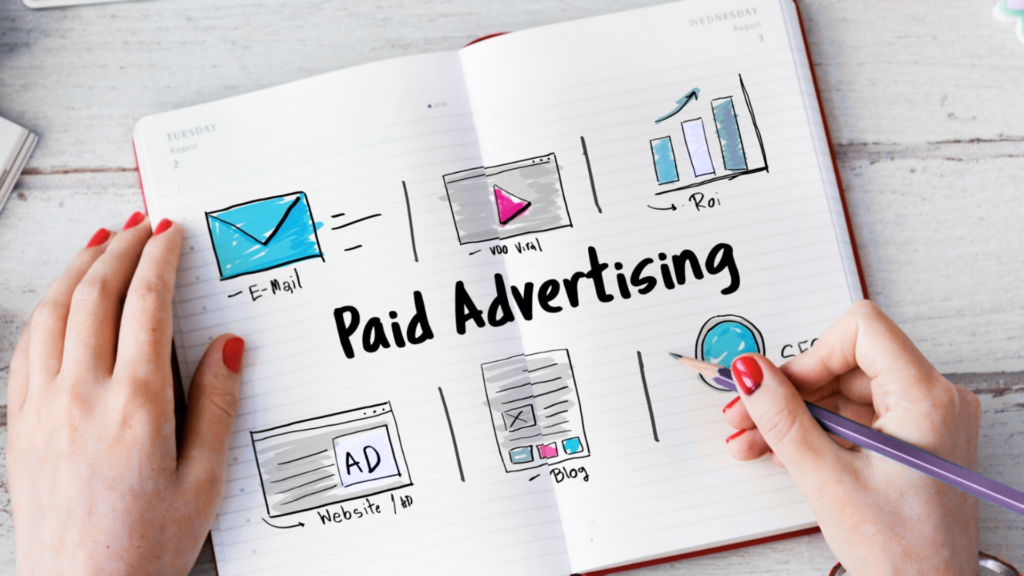
While organic search traffic is important, sometimes it takes time to rank for competitive keywords. This is where Search Engine Marketing (SEM) comes in.
Google Ads allows you to run targeted ads that appear at the top of search results when potential patients search for healthcare services. For example, if someone searches for “best pediatric hospital near me,” your ad can appear on the search results page.
Tips for Effective SEM:
Use Location-Based Keywords: Many people search for healthcare services near them, so include location-based keywords in your ads like “best hospital in [city name]” or “top cardiology clinic in [neighborhood].”
Focus on High-Converting Keywords: Choose keywords that reflect the services you offer. For instance, if you specialize in maternity care, use keywords like “maternity hospital in [city].”
Monitor and Optimize Ads: Track your campaigns to see which ads perform the best. Make adjustments to improve results by changing the targeting, keywords, and budget.
Step 4: Optimize for Local SEO
Local SEO is critical for hospitals because most patients are searching for healthcare providers in their area. Here’s how you can optimize your hospital’s website and online presence for local searches:
Claim and Optimize Your Google My Business (GMB) Profile: This free tool helps your hospital appear in Google’s local search results and Google Maps. Ensure your profile is complete with accurate information about your location, services, hours, and contact details.
Encourage Online Reviews: Reviews play a significant role in local SEO. Encourage satisfied patients to leave positive reviews on your GMB profile, Yelp, and other review platforms. Respond to both positive and negative reviews to show that you value patient feedback.
Use Local Keywords: Include your city or neighborhood in your website’s title tags, meta descriptions, and content. For example, “Top Hospital for Orthopedic Care in [City Name].”
At Full Traffic, we specialise in Google+LLM SEO services where we will rank your business on top of Google and LLMs like ChatGPT and Gemini AI. Hit the button below to know more.
Step 5: Run Email Campaigns for Lead Nurturing

Email marketing is a great way to stay connected with current and potential patients. By sending regular updates, health tips, and special offers, you can nurture leads and convert them into long-term patients.
How to Create an Effective Email Campaign:
Build an Email List: Offer valuable resources (like an ebook or free consultation) in exchange for email addresses. Use your website, social media, and ads to drive sign-ups.
Segment Your Audience: Not all patients are looking for the same services. Segment your email list based on interests or patient demographics so that you can send targeted, personalized emails.
Include a Clear CTA: Each email should have a clear and compelling CTA, whether it’s to schedule an appointment, read an article, or follow your hospital on social media.
Step 6: Use Video Marketing

Videos are one of the most engaging types of content online. They help showcase your hospital’s culture, introduce your doctors, and explain complicated medical procedures in simple terms.
How to Use Video Marketing:
Create Patient Testimonials: Share videos of patients discussing their positive experiences at your hospital. These testimonials build trust and help new patients feel comfortable choosing your hospital.
Health Education Videos: Create videos explaining common medical conditions, procedures, and tips for staying healthy. Share these on your website and social media platforms.
Live Q&A Sessions: Host live Q&A sessions with doctors and healthcare professionals. Use Facebook Live, Instagram Live, or YouTube to answer patient questions in real-time.
Step 7: Track Your Results

The beauty of digital marketing is that it’s measurable. Use tools like Google Analytics and Facebook Insights to track your campaigns’ performance. Measure key metrics such as:
Website Traffic: Monitor the number of visitors to your website and where they’re coming from.
Conversion Rate: Track how many visitors convert into leads (appointments, consultations, inquiries, etc.).
Return on Investment (ROI): Calculate the ROI for your digital marketing campaigns to see how well they’re performing in terms of lead generation and revenue.
Step 8: Continuously Improve
Digital marketing is not a one-time effort. It’s important to continuously improve your strategies by:
Testing new content and ad formats.
Updating your website with fresh content.
Engaging with your audience on social media regularly.
Analyzing your results and making data-driven decisions to improve your approach.
Conclusion: Start Implementing Digital Marketing Today!
Digital marketing for hospitals is essential for reaching new patients, building trust, and staying competitive in a digital-first world. By following this roadmap, you can generate high-quality leads, improve patient engagement, and enhance your hospital’s online presence.
The key is to start with the basics—create a user-friendly website, leverage social media, and invest in SEO and paid ads. As you track your results and improve your strategy, you’ll see a steady increase in high-quality leads that turn into long-term patients.
Remember, digital marketing is an ongoing journey, so stay consistent and always look for ways to enhance your efforts. The digital space is constantly evolving, and staying ahead of the curve will ensure your hospital thrives in the competitive healthcare industry.