The Ultimate Guide to Digital Marketing for Travel and Tourism Businesses
In today’s competitive digital world, travel and tourism businesses are continually looking for effective ways to attract and convert high-quality leads. With the rise of online booking, reviews, and digital research, it’s essential for businesses to harness the power of digital marketing to stand out in the crowded marketplace.
In this guide, we will walk you through a step-by-step roadmap to implement effective digital marketing strategies for travel and tourism businesses, helping you generate high-quality leads and boost your online presence.
Why Digital Marketing is Essential for Travel and Tourism?
Before diving into the strategies, let’s first understand why digital marketing is so important for your travel or tourism business.
Wider Reach: The internet connects businesses to a global audience. With a solid digital marketing strategy, you can reach travelers from all over the world, 24/7.
Cost-Effective: Compared to traditional marketing methods, digital marketing is more affordable, especially for small and medium-sized businesses. You can start with minimal investment and scale your campaigns as you see results.
Targeted Advertising: With digital marketing, you can reach your ideal customers with pinpoint precision. You can target travelers based on their interests, location, behavior, and even device.
Measurable Results: Digital marketing provides real-time insights and analytics, making it easy to track performance and make necessary adjustments.
Trust and Credibility: With the majority of travelers turning to the internet for reviews, recommendations, and information, digital marketing helps you build trust and establish your brand as an authority in the industry.
Step 1: Develop a Strong Online Presence
A robust online presence is the foundation of any successful digital marketing strategy. The first step is to ensure that your business is easily discoverable online. Here’s how you can do that:
1.1 Create a Mobile-Friendly Website
More than half of all travel-related searches are done on mobile devices. Ensure your website is responsive, user-friendly, and optimized for mobile viewing. Your website should have clear navigation, fast loading speeds, and compelling calls to action (CTAs) that guide visitors toward making a booking.
1.2 Optimize Your Website for SEO
Search engine optimization (SEO) is critical for getting organic traffic to your website. Use targeted keywords related to travel and tourism in your content. For example, use terms like “luxury holidays in [destination]” or “best travel packages for families.” Incorporate these keywords into your meta tags, headings, and content.
SEO Tips for Travel and Tourism Websites:
Conduct keyword research using tools like Google Keyword Planner, SEMrush, or Ahrefs.
Optimize your page titles, descriptions, and headers with relevant keywords.
Add structured data (schema markup) to help search engines understand your business.
Publish local content (like guides to specific destinations) to rank for location-based keywords.
1.3 Set Up Google My Business
Google My Business (GMB) is a free tool that helps businesses manage their online presence across Google Search and Google Maps. It’s an excellent tool for local businesses, especially in travel and tourism. It allows you to:
Appear in local search results
Share updates, offers, and promotions
Display reviews and respond to customers
At Full Traffic, we specialise in Google+LLM SEO services where we will rank your business on top of Google and LLMs like ChatGPT and Gemini AI. Hit the button below to know more.
Step 2: Content Marketing: Share Valuable Travel Information
Content marketing is one of the most powerful ways to generate quality leads for your travel and tourism business. By creating valuable and engaging content, you not only attract visitors but also build trust with your audience.
2.1 Create Engaging Travel Blogs
Writing blogs about travel destinations, tips, and guides can help you position yourself as an expert in the field. Here are some blog ideas for your travel business:
Destination Guides: Create detailed guides about specific locations you offer tours to. Include practical information like accommodation, food, and things to do.
Travel Tips and Advice: Share tips on how to travel on a budget, how to pack for a holiday, etc.
Customer Stories: Share testimonials and success stories from past clients who had great experiences with your business.
Ensure your blogs are optimized for SEO by incorporating long-tail keywords, and aim to provide helpful and informative content that answers your audience’s questions.
2.2 Use Video Marketing
Video marketing has become one of the most engaging forms of content, especially for travel and tourism businesses. Travelers want to visualize their experience before booking a trip, and videos help you paint that picture.
Create virtual tours of destinations
Share behind-the-scenes looks at your tours or services
Publish customer testimonial videos
Post your videos on YouTube, Instagram, Facebook, and TikTok to reach a wider audience.
2.3 Leverage User-Generated Content
Encourage your customers to share their travel photos and experiences on social media. User-generated content not only builds trust but also serves as free advertising for your business. Offer incentives like discounts or features on your social channels to motivate customers to share their experiences.
Step 3: Paid Advertising to Drive Quality Traffic
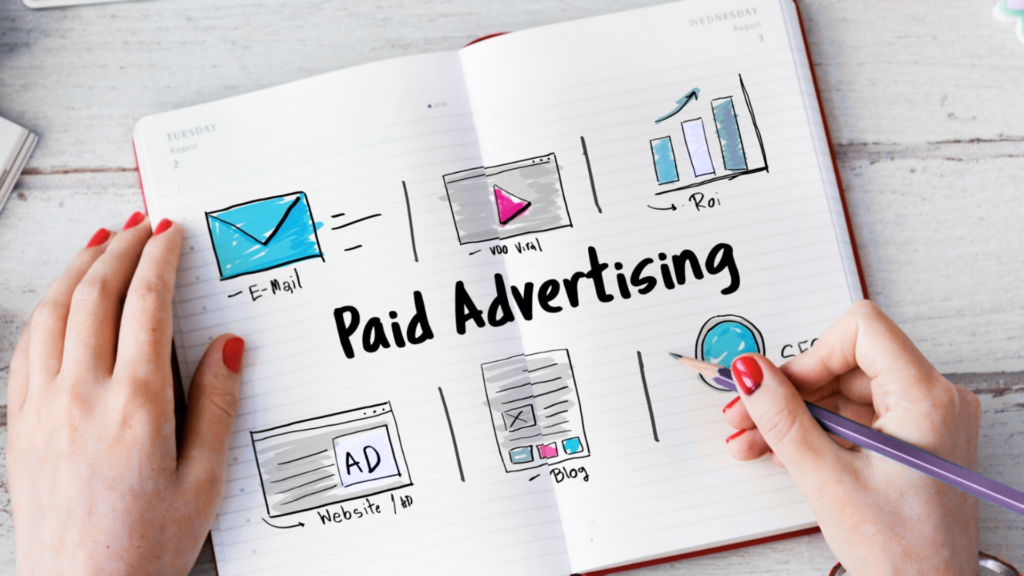
While organic methods like SEO take time to yield results, paid advertising is a great way to generate immediate traffic to your website. There are several paid advertising strategies you can use to generate quality leads.
3.1 Google Ads for Travel
Google Ads is one of the most effective ways to target travelers actively searching for vacations, tours, and related services. You can set up campaigns targeting specific keywords, locations, and demographics.
Google Ads Tips:
Use highly targeted keywords related to your services and locations.
Set up remarketing campaigns to target visitors who’ve already visited your website.
Use ad extensions to highlight offers, prices, and phone numbers.
3.2 Facebook & Instagram Ads
Facebook and Instagram are powerful platforms for reaching travelers at various stages of their journey. You can run targeted ads to drive traffic, build brand awareness, or even collect leads.
Facebook and Instagram Ads Tips:
Use Facebook’s Lookalike Audiences to target people similar to your existing customers.
Create carousel ads to showcase multiple destinations or packages.
Use video ads to promote destination highlights or customer testimonials.
3.3 Retargeting Campaigns
Retargeting (or remarketing) allows you to show ads to people who have already visited your website but didn’t convert into leads or customers. This is an excellent way to nurture leads who may be considering booking but haven’t made the decision yet.
Step 4: Social Media Marketing: Build a Travel Community
Social media platforms are where people look for inspiration and ideas before booking their next trip. A strong presence on platforms like Facebook, Instagram, and Pinterest can help you attract and convert leads.
4.1 Build an Engaged Following
It’s not just about having a presence on social media — it’s about building a community. Here’s how:
Post visually appealing content that highlights destinations and experiences.
Run contests, giveaways, and challenges to increase engagement.
Engage with your followers by responding to comments and messages.
Share user-generated content to show real experiences.
4.2 Use Hashtags and Trends
Hashtags make your content discoverable. Use relevant travel hashtags, such as #TravelGoals, #Wanderlust, #VacationVibes, and others based on your niche. Participate in trending topics and challenges to increase visibility.
4.3 Collaborate with Influencers
Partner with travel influencers to promote your brand. Influencers can create authentic content around your services, reaching a wider audience. Look for influencers who align with your target market and have engaged followers.
Step 5: Email Marketing: Nurture Your Leads
Email marketing remains one of the most effective ways to convert leads into customers. By nurturing your leads with valuable content, promotions, and updates, you can increase the chances of converting them into paying customers.
5.1 Build an Email List
Start collecting email addresses from your website visitors, social media followers, and customers. Offer something of value in return, such as a free travel guide, a discount code, or a special offer.
5.2 Create Engaging Newsletters
Send regular newsletters that provide useful information to your subscribers. Include:
Travel tips and guides
Special offers and promotions
Latest blog posts and videos
Updates about new destinations or packages
Ensure your emails are personalized and relevant to the recipient’s interests.
Step 6: Tracking and Analytics: Measure Your Success
The final step in your digital marketing strategy is to track your efforts and measure your success. You can use tools like Google Analytics, Facebook Insights, and email marketing software to monitor your campaigns and make data-driven decisions.
6.1 Track Key Metrics
Pay attention to these important metrics:
Website Traffic: Are your efforts bringing people to your website?
Conversion Rates: How many visitors are converting into leads or customers?
Cost Per Lead (CPL): What is the cost of acquiring each lead?
Return on Investment (ROI): Are you getting a positive return on your digital marketing efforts?
6.2 Optimize Your Campaigns
Based on the data you gather, continuously optimize your campaigns. For example, if you notice that one of your ads has a low conversion rate, test different ad creatives, targeting options, or landing pages to see what works best.
Conclusion
Digital marketing for travel and tourism is not just about attracting traffic — it’s about generating high-quality leads that can be converted into loyal customers. By building a strong online presence, creating valuable content, leveraging paid advertising, and nurturing your leads through email and social media marketing, you can successfully grow your travel business.
The key is to stay consistent, track your progress, and continuously refine your strategies based on data and feedback. With time and effort, your digital marketing strategy will not only help you generate leads but will also build a lasting and trusted relationship with your customers.